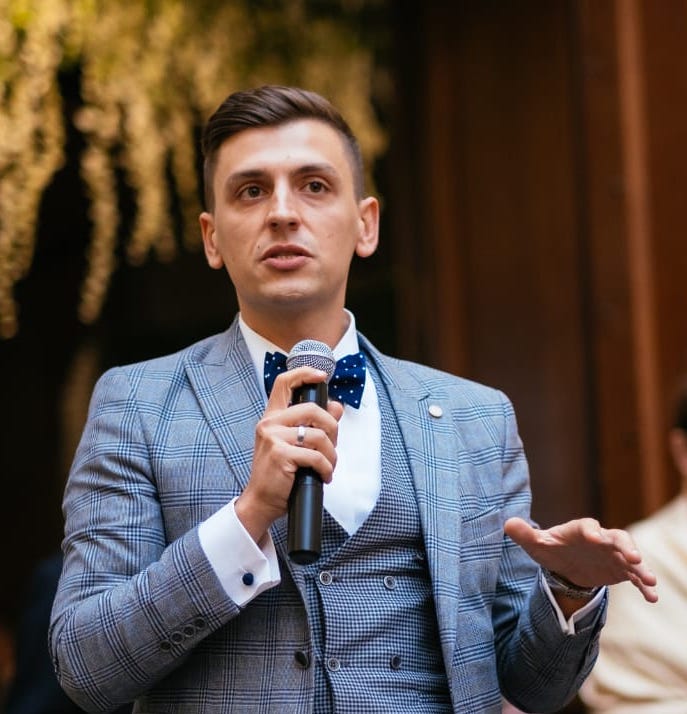
Sophia Moody, a second-year student in the Public History MA program at AU, has curated three fascinating exhibits during her time as an Outreach Fellow for the University Library’s Archives and Special Collections. Visitors to the first floor of Bender Library can take in 100 Years of Undergrad, which documents various aspects of AU student life during the first year of undergraduate classes in 1925–26. During the course of her research, Moody discovered that the first graduating class of undergrads a century ago consisted of just six students, who paid two hundred dollars a year for tuition.
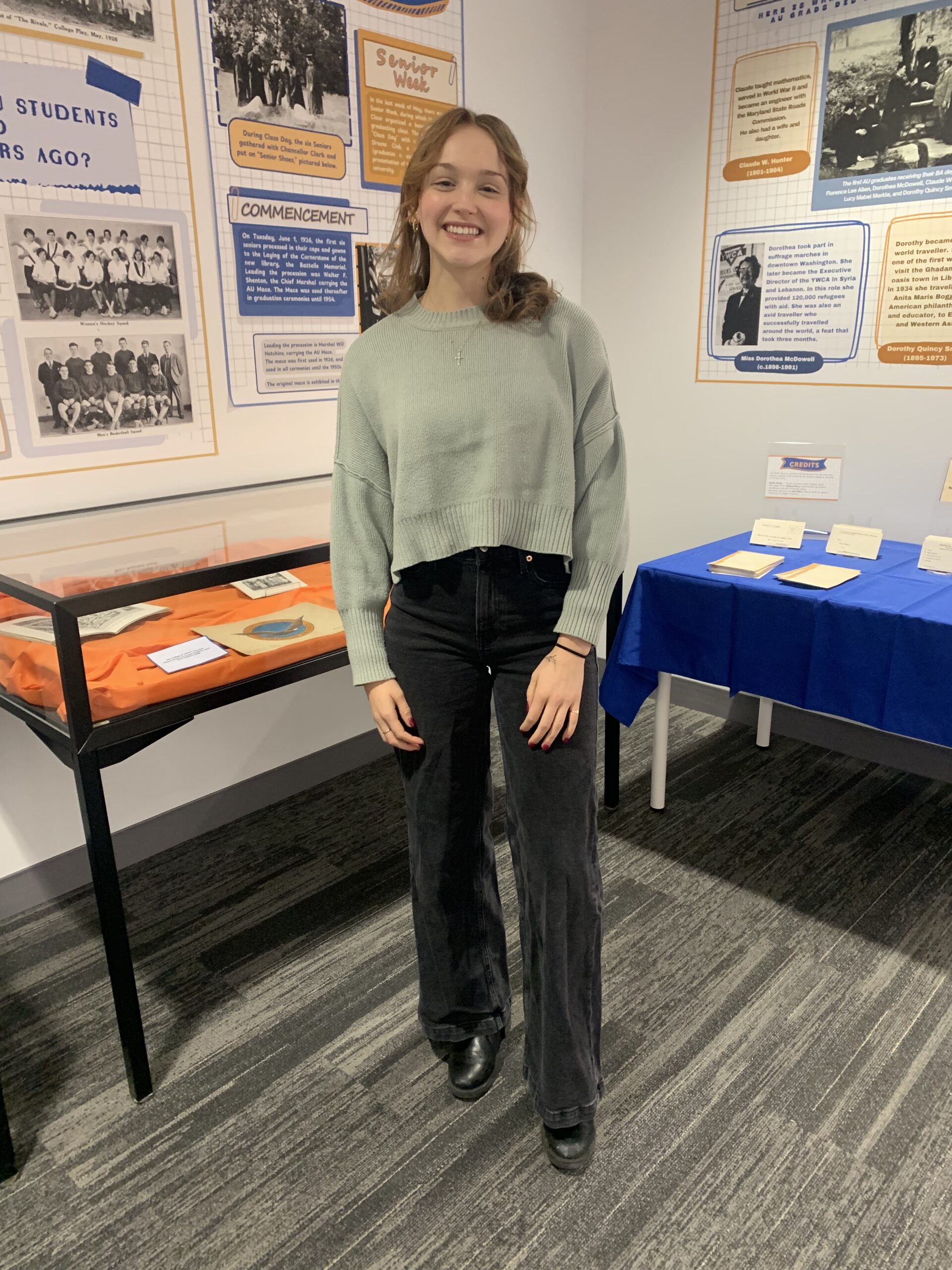
The exhibit she assembled for display includes precious mementos of their era, including an “Instructor’s Class Card,” an admissions application, and the original “Marshal’s Mace” used in the graduation ceremonies. Besides these fascinating artifacts, during the course of her research Moody also discovered a series of letters which revealed that AU’s chancellor had initially opposed admitting African-American students to the new undergraduate program. Through this research, she had to learn “how to present difficult aspects of an institution’s history,” Moody said. “I believe it is essential to present history in its full complexity—even when it reflects uncomfortable truths about an institution’s past.”
The exhibit also reveals what some members of the Class of 1926 did after graduation: Claude Hunter became an engineer with the Maryland State Roads Commission, Dorothea McDowell became the Executive Director of the YWCA in Syria and Lebanon, and Dorothy Quincy Smith became an avid world traveler. “I have truly enjoyed working as an Outreach Fellow,” Moody said. “I believe that I have learned a great deal about how to research and design an exhibit. I am passionate about making history accessible to the public and have learned much about how to use thematic design to bring an era or narrative to life for the visitor.”

Those who spend time in the Spring Valley Building can also catch Moody’s second exhibit, Reading During a Revolution: A Look at 18th Century Literature, which was developed around the theme of the nation’s 250-year anniversary. By examining the books held in AU’s archives that were originally published between 1770 to 1780, Moody provides an analytical snapshot of American reading tastes two and a half centuries ago. “My first exhibit used an array of textual documents presented in a traditional case,” Moody said, “but my next exhibit was solely focused on books, and I had to learn how to properly display these artifacts so as not to damage the covers.”
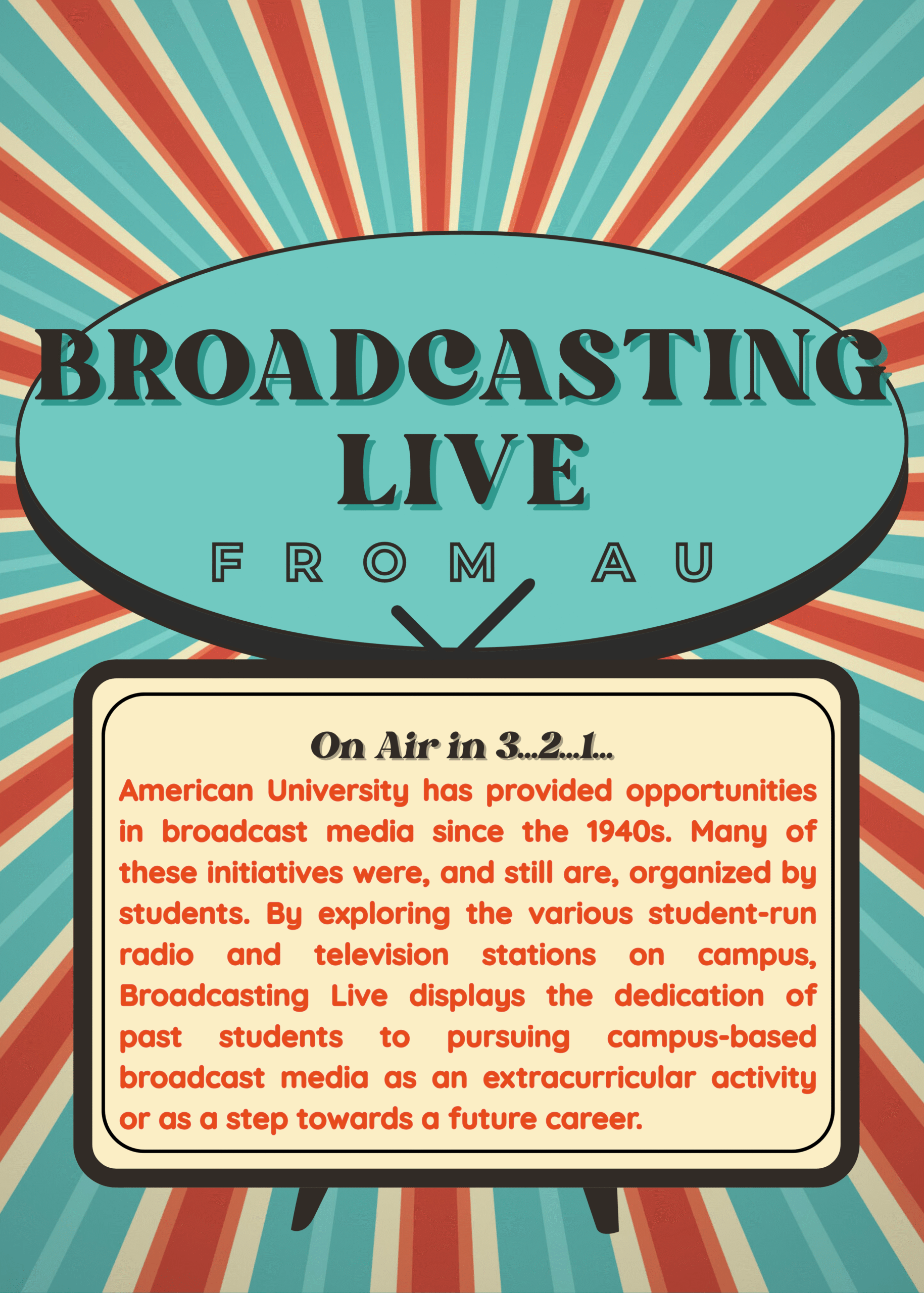
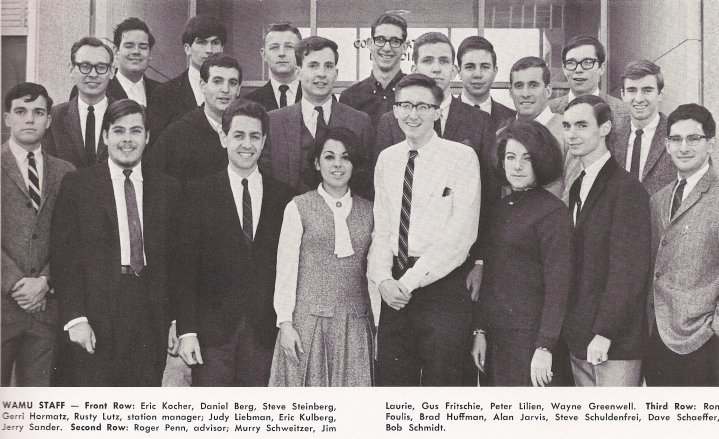
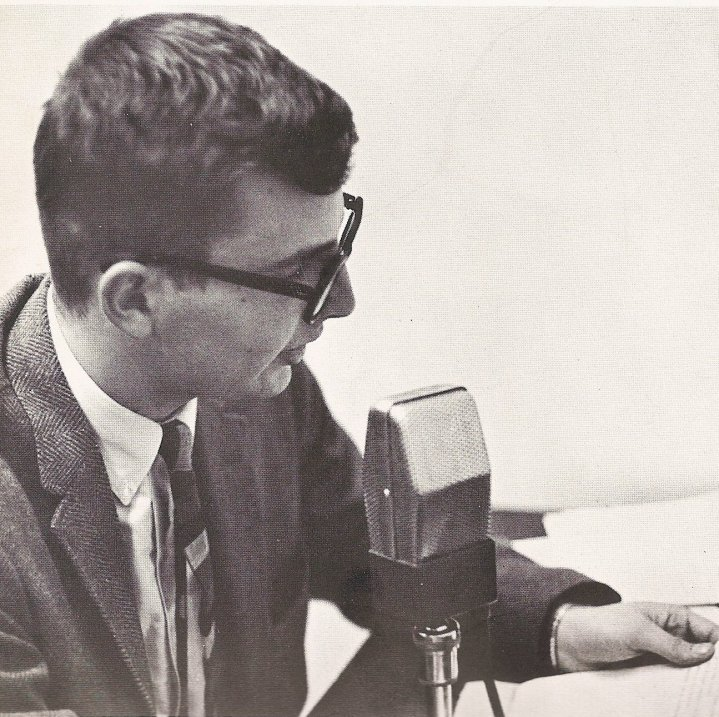
Most recently, Moody has also curated a digitally forward exhibit, Broadcasting Live, which details the long history of student-run radio and television at AU. By exploring the various student-run radio and television stations on campus, Moody’s third exhibit will soon be displayed in Bender Library to highlight the dedication of past students to pursuing campus-based broadcasting media as an extracurricular activity or as a step towards a future career. The exhibit was built around audio-visual material. Therefore, Moody was “challenged to present the materials in yet another format and ultimately decided to display clips from the students’ original television shows in the 1980s.” She is now beginning research for a new exhibit on AU’s archives in conjunction with the university’s events for the nation’s 250th anniversary.
Looking ahead, Moody has recently started an internship with the National Museum of American History, where she assists several curators in the Office of Curatorial Affairs with updating their collection records in the database. Having made the most of these invaluable opportunities to put her public history studies into practice, Moody hopes to work in museums in the D.C. area after graduation. “I had never independently created an exhibit before,” she said, “but after completing my first exhibit I was so proud and excited that I knew for certain that I had chosen the right career for me. I am very grateful to AU for the opportunities to learn how to design and curate exhibits and am devoted to continuing to promote the university’s archives throughout the remainder of my fellowship.”