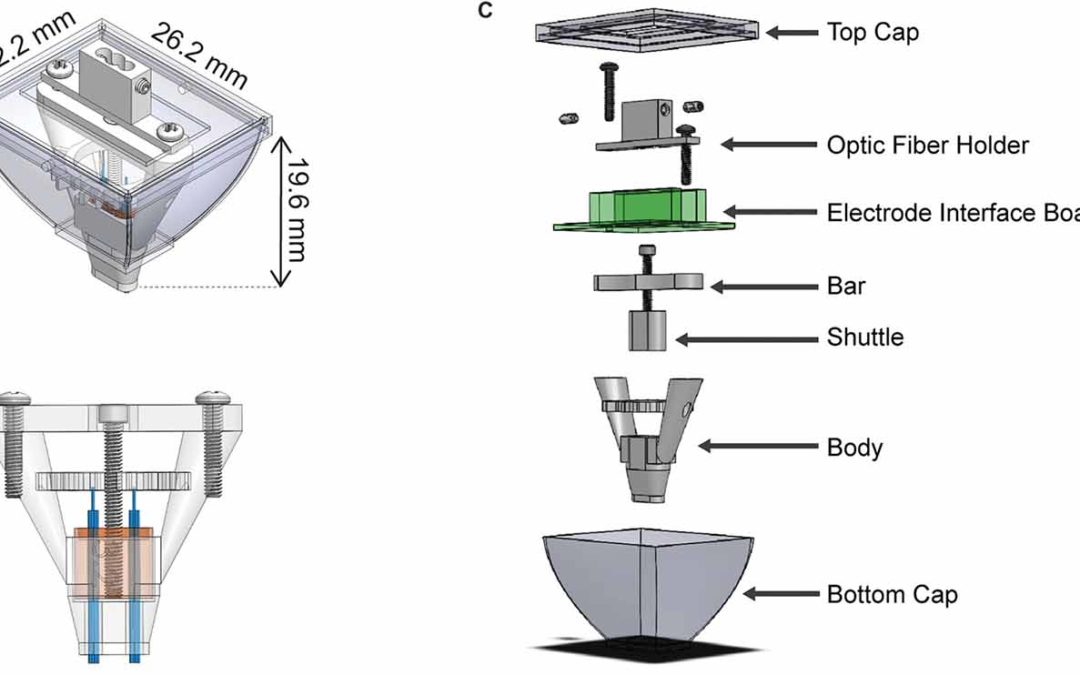
Sebastien Delcasso from the Graybiel lab at MIT published a method for developing a brain implant called “HOPE” for combining with optogenetics, pharmacology, and electrophysiology: HOPE (hybrid-drive combining optogenetics, pharmacology, and electrophysiology) is a...
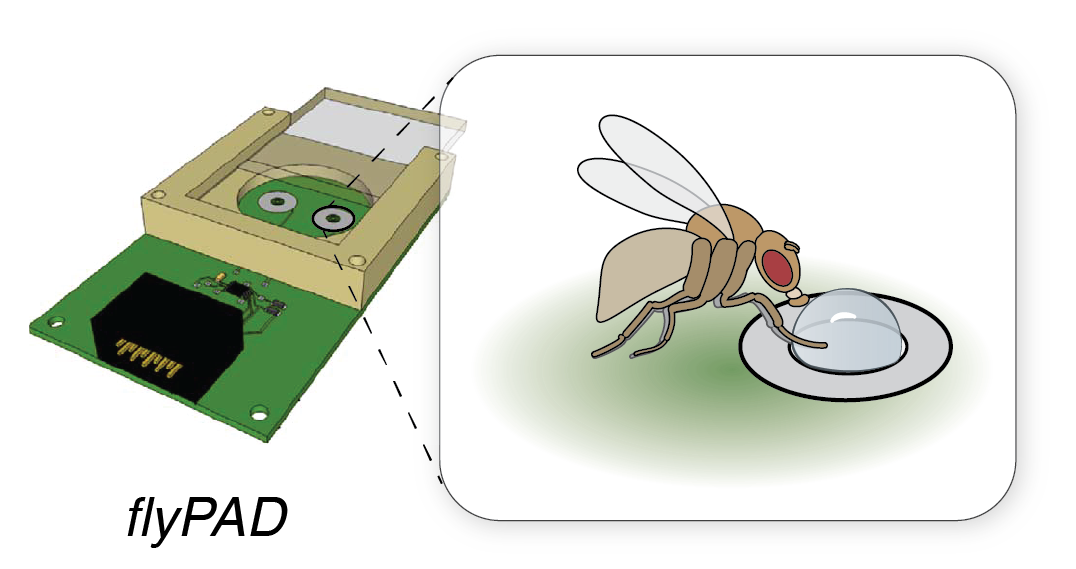
Carlos Ribeiro’s lab at Champalimaud recently published their new project called optoPAD in eLife: Both the analysis of behavior and of neural activity need to be time-precise in order to make any correlation or comparison to each other. The analysis of behavior can...
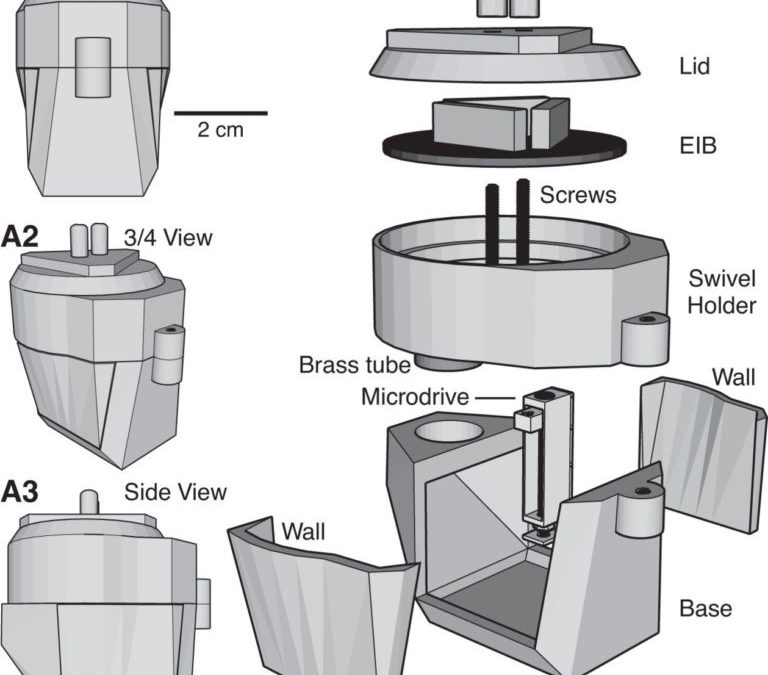
Richard Pinnell from Ulrich Hofmann’s lab has three publications centered around open-source and 3D printed methods for headstage implant protection and portable / waterproof DBS and EEG to pair with water maze activity. We share details on the three studies below:...
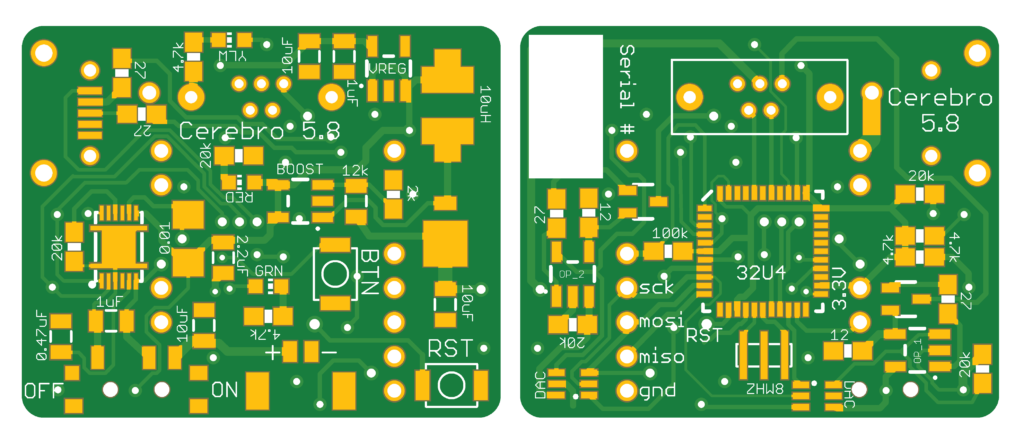
Andy Lustig from the Karpova Lab at Janelia has developed, documented, and shared a system for wireless optogenetic stimulation. Several commercial systems for wireless controlled optogenetic stimulation are available, however, as you might expect, these systems can...
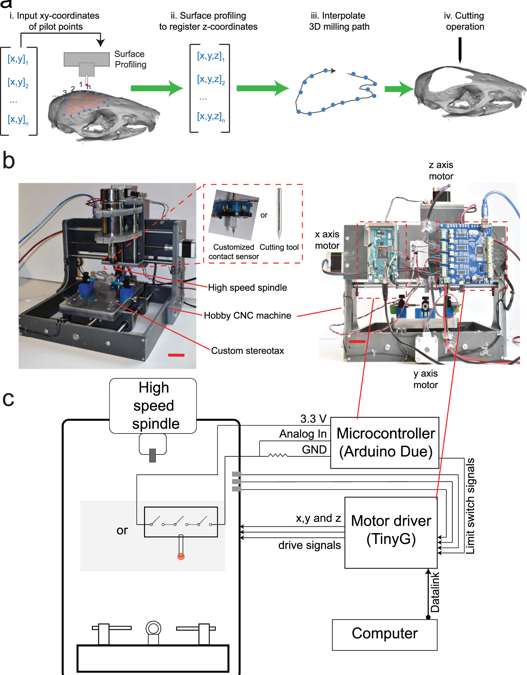
; Suhasa Kodandaramaiah from the University of Minnesota, Twin Cities, has shared the following about Craniobot, a computer numerical controlled robot for cranial microsurgeries. The palette of tools available for neuroscientists to measure and manipulate the brain...