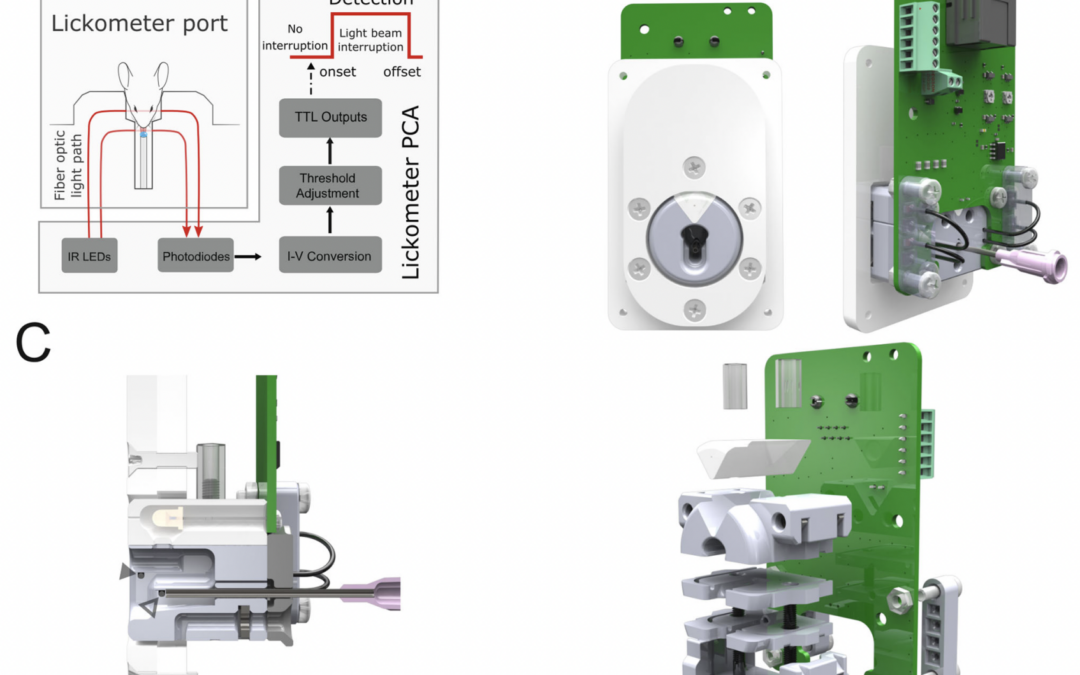
Artur Silva and colleagues, led by Joaquim Alves Da Silva (Champalimaud Foundation, Lisbon, Portugal), introduce an optical-fiber based lickometer designed to overcome common limitations of other open-source lickometers. These sensors can trigger false readings caused...
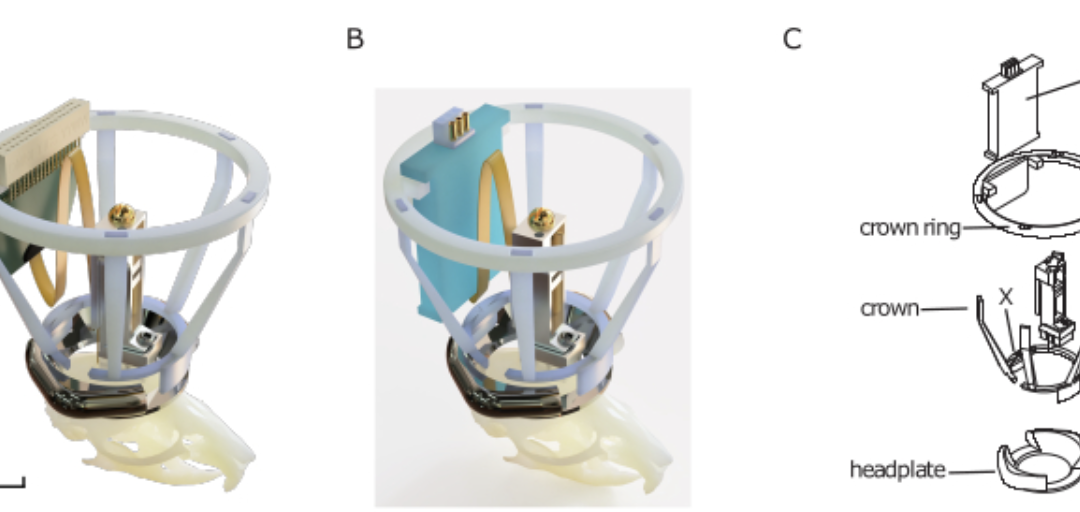
DREAM (Dynamic, Recoverable, Economical, Adaptable, and Modular) is a novel implant design for in-vivo electrophysiology in mice. It was developed by Tim Schröder, Robert Taylor, Marieke Schölvinck and Martha Havenith, as well as other colleagues in a joint effort...
Spatial cognition paradigms in animal models tend to focus on allocentric means of navigation where animals rely on environmental landmarks. There is a need for spatial cognition paradigms that also take egocentric navigation into account, where an animal’s own point...
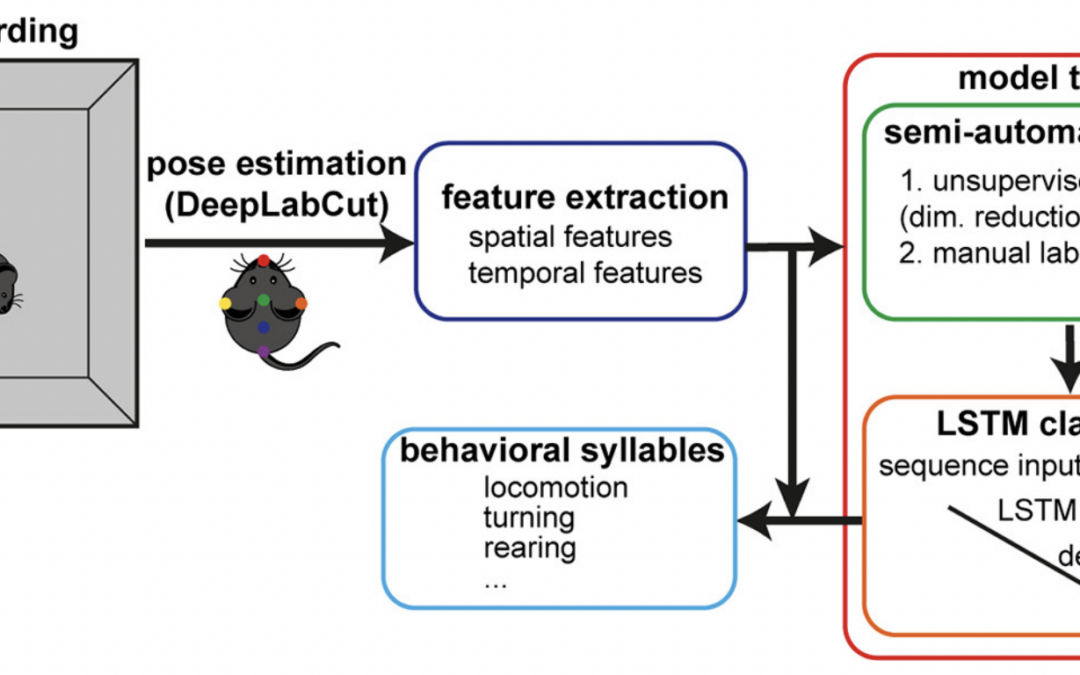
Dr. Shuzo Sakata, from the University of Strathclyde, has developed a new tool for classifying animal behaviors. This MATLAB package, called SaLSa, offers an innovative approach to analyzing and categorizing behaviors using pose estimation data. Traditional manual...
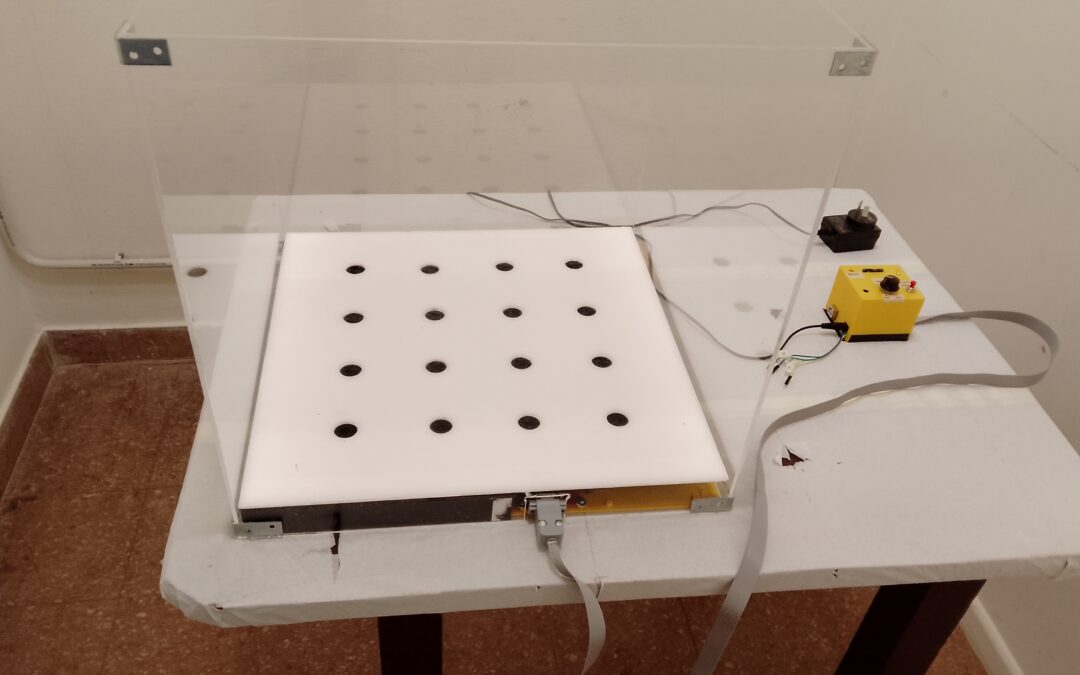
Researchers at the Bernardo Houssay Institute of Physiology and Biophysics, led by Esteban Valverde, have developed an open-source holeboard for studying rodent behavior. Holeboards are a widely used tool in neuroscience for assessing exploration, anxiety, and spatial...