
Introduction
In the rich tapestry of post-war art, Francis Bacon’s Three Studies for Figures at the Base of a Crucifixion stands out as a haunting embodiment of the collective psyche scarred by the atrocities of conflict. This thesis endeavors to peel back the layers of Bacon’s iconic triptych, venturing beyond its frequently discussed mythological allusions to expose its profound psychological depth and historical context. By setting aside contemporary biases, “Three Studies” is meticulously reexamined against the backdrop of its creation, delving into its unsettling visual narrative and the spectrum of responses it has provoked over the years.
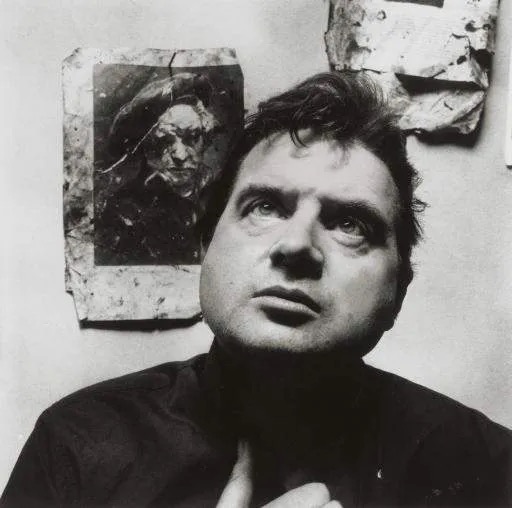
The literature review methodically synthesizes the existing scholarly dialogue surrounding Bacon’s Three Studies, situating our inquiry within the broader academic discourse. This examination will spotlight pivotal interpretations and critical perspectives, pinpointing areas that have remained underexplored, especially those neglecting the psychological intricacies and historical dimensions embedded within Bacon’s masterpiece.
The investigation of the home front will unravel how Three Studies mirrors the domestic upheavals and psychological turmoil wrought by World War II. This segment aims to decode the socio-political ambiance of the era as encapsulated in Bacon’s visceral imagery, offering insights into the artist’s own narrative amidst the global conflict. An in-depth analysis of Bacon’s journey through the war years will illuminate his personal encounters, influential relationships, and the evolution of his artistic vision. Furthermore, the discussion will extend to the inaugural exhibition of “Three Studies” at the Lefevre Gallery, evaluating how the gallery’s stature within the art community influenced the reception and enduring legacy of Bacon’s work. The historical ties and collaborative dynamics between Bacon and the gallery will be dissected to comprehend their impact on his professional path.
Additionally, this thesis will delve into the significance of the triptych format as a narrative and spatial framework in Three Studies. The segmentation of the artwork into three interconnected panels invites a nuanced reading and interpretation, enhancing the emotive power of the piece. This section will critically assess the historical roots and artistic merit of the triptych format and Bacon’s strategic employment of this structure to deepen the thematic and emotional weight of his narrative.
In its conclusive thematic exploration, attention will pivot to Three Studies as a conduit for exorcism, channeling both Bacon’s personal demons and the collective trauma of a post-war society. This discourse will contemplate the notion of artistic exorcism, probing into how the creative process manifests as a cathartic release for the artist and the audience alike. Bacon’s raw depiction of tormented figures serves not merely as an artistic expression but as a profound act of purging and healing.
By adopting this comprehensive approach, the paper endeavors to illuminate the intricate interplay between Bacon’s artistic pursuits and the shared experiences of his contemporaries. It seeks to offer a nuanced appreciation of Three Studies for Figures at the Base of a Crucifixion, portraying it not only as a reflection of its temporal context but also as a poignant articulation of human anguish and resilience. This introductory exploration sets the stage for a detailed study that hopes to contribute a fresh lens through which to view Bacon’s enigmatic work, enriching our understanding of its place in the annals of art history.